

When lobster pieces hit a hot skillet, their edges turn opaque quickly, and there’s a narrow window between tender and rubbery. Cutting the tails into even bites makes that moment easier to manage than cooking whole tails, and each piece gets coated in the butter at the end. These Holiday Garlic Butter Lobster Tail Bites are a simple way to serve lobster in small portions without leaving the shells on the plate.
I keep the seasoning straightforward so the lobster stays front and center: kosher salt, black pepper, and a little paprika. The butter is divided between the cooking and finishing stages, while the garlic goes in only after the lobster has cooked. That sequence gives the garlic a short, gentle cook instead of asking it to sit in a hot skillet while the lobster browns.
Lemon juice and fresh parsley go in off the heat, just before serving. The finished bites are glossy with garlic butter, bright at the edges from lemon, and ready to bring straight to the table.

Kitchen Note
Dry the lobster pieces well after cutting them. If they’re wet on the surface, they release that moisture in the skillet instead of getting the direct contact this quick cook needs.
Save these Holiday Garlic Butter Lobster Tail Bites for an appetizer that keeps the lobster tender and finishes with lemon, parsley, and warm garlic butter.
Why the Garlic Goes in After the Lobster
Garlic needs much less time in the skillet than lobster does. If it cooks over medium-high heat from the beginning, it can darken and turn bitter before the pieces are cooked through. Giving the lobster its own time in the pan, then lowering the heat before adding the garlic, keeps the two ingredients from competing for the same cooking window.
The butter is split for the same reason. The first portion gives the lobster a buttery surface as it cooks; the second goes in with the garlic at low heat, where it becomes the coating for the finished bites. Lemon juice and parsley wait until the skillet is off the heat, so their fresh, bright character isn’t lost in a long cook. It’s a small change in order, but each ingredient gets the kind of heat it needs.
That timing also makes the last minute easy to judge. The garlic should smell fragrant, not toasted, and the lobster should be ready to toss through the butter rather than needing more cooking time in it.
What Each Ingredient Brings to These Lobster Bites
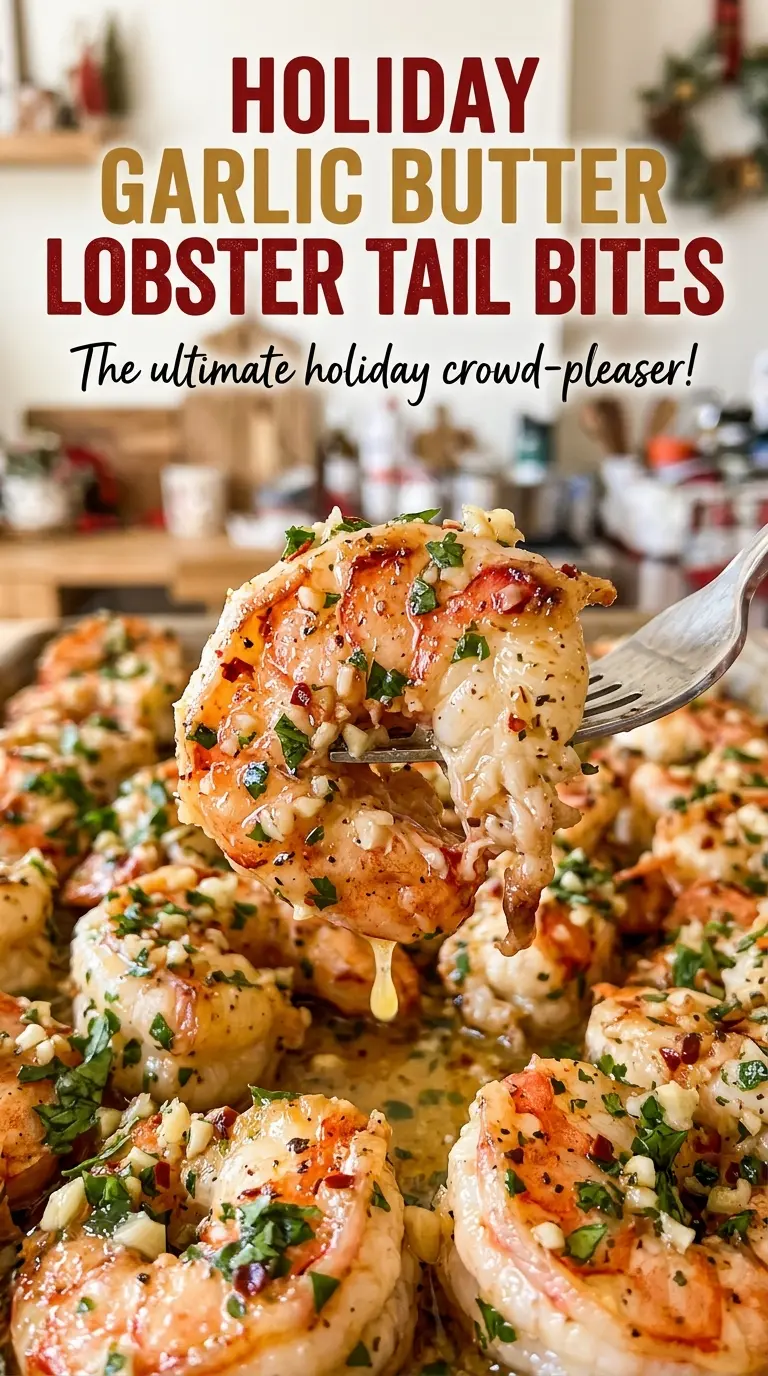
- Lobster tails — Tail meat has a firm, sweet texture that holds together when cut into bite-size pieces and turned in the skillet. Buy tails that smell clean and mild; if they’re frozen, thaw them before removing the shells and cutting the meat. Keeping the pieces close to the same size helps them cook at a similar pace.
- Unsalted butter — Butter carries the garlic and coats the lobster without masking its flavor. Unsalted butter lets the listed kosher salt season the seafood without the extra, harder-to-predict salt in a salted butter. Use butter that’s fresh and clean-tasting; there’s no need for a specialty brand here.
- Garlic — Fresh minced cloves give the butter a sharper, more fragrant garlic flavor than a long-cooked sauce would. Mince it before the lobster goes into the skillet, since its brief cook goes by quickly once it’s added.
- Paprika and black pepper — These add a little warmth and color without making the seasoning heavy. Freshly ground pepper has a more pronounced aroma, but ordinary ground black pepper works well in this quick-cooking dish.
- Lemon juice and fresh parsley — Lemon cuts through the richness of the butter, while parsley brings a clean herbal finish. Fresh lemon juice and freshly chopped parsley have the clearest flavor here; stir both in at the very end so they stay bright.
From Dry Lobster to a Glossy Garlic Butter Finish
Dry and Season the Pieces
Pat the cut lobster dry, then season it with the kosher salt, black pepper, and paprika. Work over the pieces so the seasoning is spread across the surfaces rather than gathered in one spot. Keep the meat in pieces close to 1 inch, as larger chunks take longer to cook through. Have the garlic, lemon juice, and chopped parsley ready before you start cooking.
Cook the Lobster in One Layer
Melt 2 tablespoons of butter in a 12-inch skillet over medium-high heat. Add the lobster in a single layer; if pieces are piled over one another, they won’t cook as evenly against the skillet. Cook for 3 to 5 minutes, turning once. Look for opaque meat and check the thickest piece with a thermometer; it should read 145°F.
Soften the Garlic in the Remaining Butter
Once the lobster is cooked, reduce the heat to low. Add the remaining 2 tablespoons of butter along with the minced garlic, and stir for about 30 seconds, just until the garlic smells fragrant. Keep the heat low during this short step so the garlic doesn’t scorch. Toss the lobster in the garlic butter until the pieces are coated.
Finish Off the Heat
Remove the skillet from the heat before stirring in the lemon juice and chopped parsley. Toss once more so the fresh finish reaches the lobster and butter. Serve the bites hot, while the butter is still fluid and clinging to the pieces.
How to Scale the Bites or Keep Them Gluten-Free
Make a Smaller Batch for Two
Scale every ingredient down proportionally for two servings, keeping the same seasoning balance and dividing the butter between cooking and finishing. The 12-inch skillet still works; with fewer pieces, leave them spread out rather than gathering them into a pile. Use the opaque-meat and thermometer cues to judge doneness instead of assuming the smaller quantity needs a shorter fixed time.
Cook a Larger Batch in Skillet Rounds
For more servings, cook the lobster in successive rounds so each round can sit in a single layer in the skillet. Keep the butter and garlic finish low and brief for each round, then add the lemon juice and parsley after removing the pan from the heat. Cooking too much lobster at once crowds the skillet and makes it harder to cook the pieces evenly.
Keep the Recipe Gluten-Free
The listed ingredients include no flour, breadcrumbs, or other gluten-containing ingredient, so the bites need no recipe change for a gluten-free menu. The result stays focused on lobster and garlic butter rather than picking up a breaded coating.
Storage and Reheating
- Refrigerator: Store leftovers in a covered container for up to 3 days. The butter will firm up when cold, and the lobster won’t be as tender as when freshly cooked.
- Freezer: Cooked lobster can be frozen in an airtight container, though its texture may be less tender after thawing. Thaw it in the refrigerator before reheating.
- Reheating: Warm gently in a skillet over low heat, turning the pieces until heated through to 165°F. Avoid high heat or a long reheat; both can make lobster tough.
Questions That Come Up When Cooking Lobster Bites
Holiday Garlic Butter Lobster Tail Bites
Ingredients
Equipment
Method
- Pat the lobster pieces dry and season them with the salt, pepper, and paprika.
- Melt 2 tablespoons of the butter in a 12-inch skillet over medium-high heat, then add the lobster in a single layer and cook, turning once, for 3 to 5 minutes, until opaque and 145°F in the thickest piece.
- Reduce the heat to low, add the remaining 2 tablespoons butter and the garlic, and stir for about 30 seconds, until fragrant; toss the lobster to coat.
- Remove the skillet from the heat, stir in the lemon juice and parsley, and serve hot.