
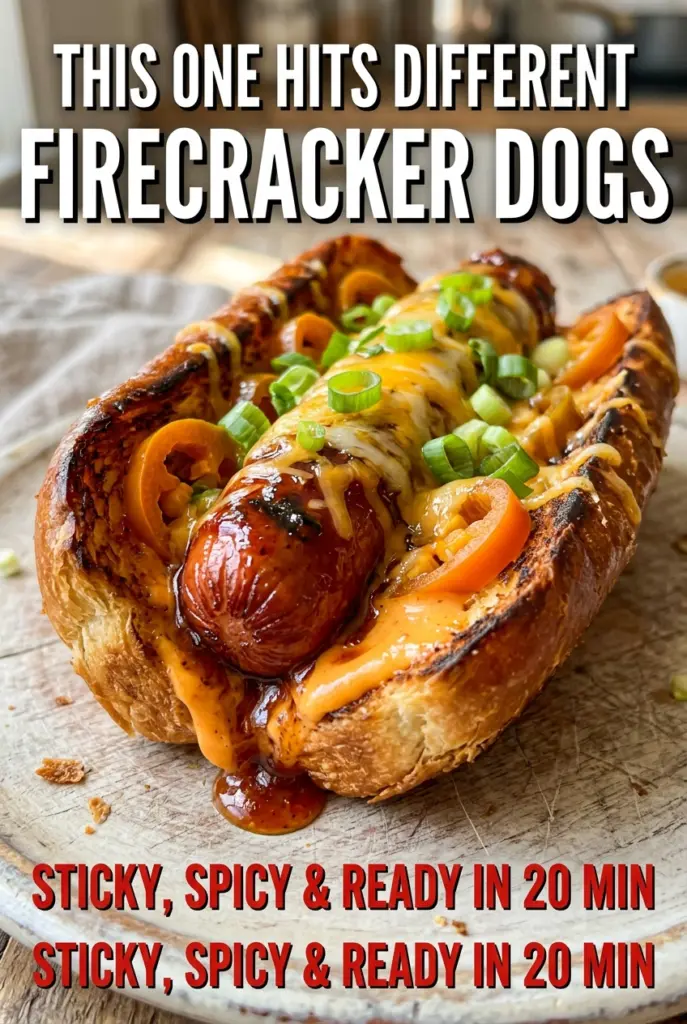
Firecracker Dogs hit that sweet spot between sticky, spicy, and fast enough to pull off on a weeknight without thinking twice. The glaze clings to the hot dogs and cooks down into a glossy shell with caramelized edges, while the buns get just enough toast to hold up against the heat and sauce. Every bite has that sharp, punchy chili-sriracha kick backed by honey and brown sugar, so the heat lands with a little balance instead of tasting one-note.
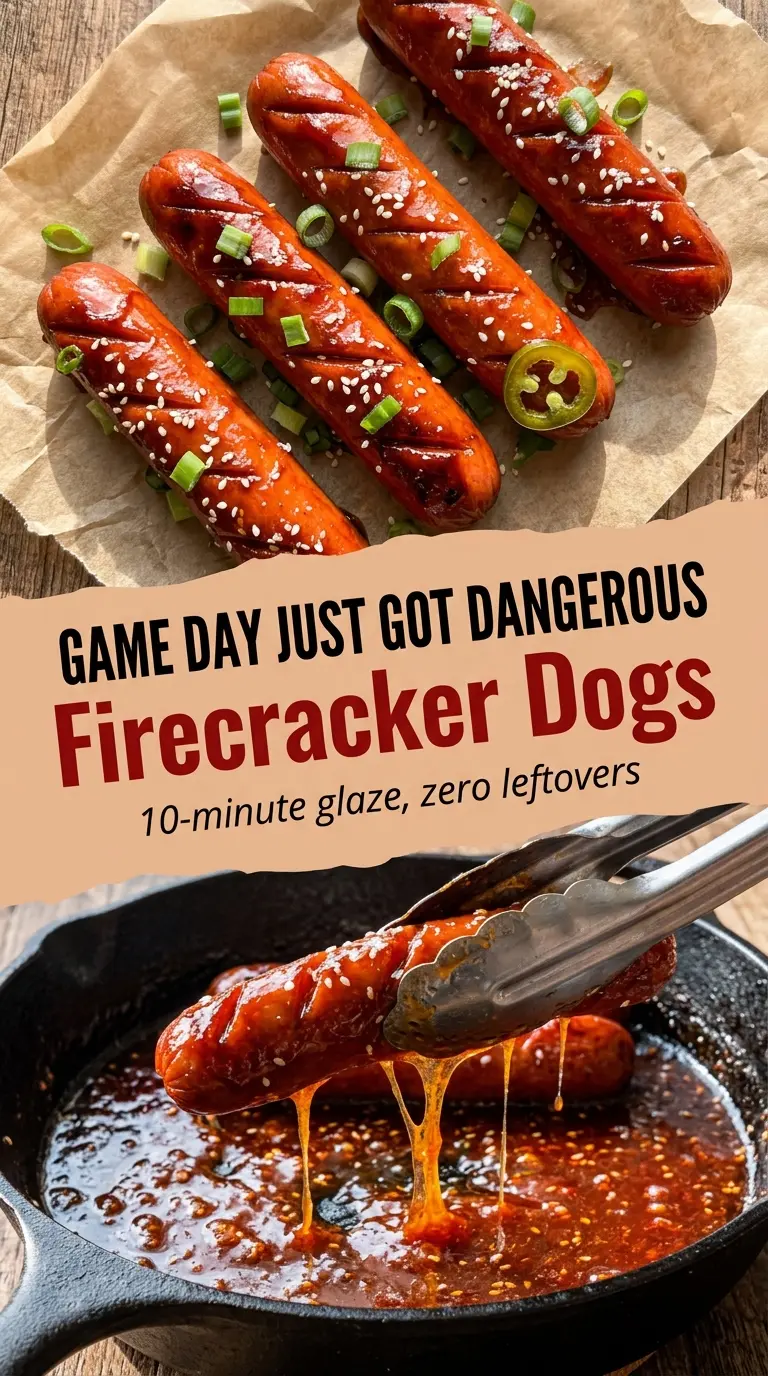
The trick is in the scoring and the timing. Those diagonal slits give the glaze something to catch on, and they create more little browned edges once the dogs hit the pan. The glaze goes on near the end, not at the start, because honey burns fast. You want bubbling, thickened sauce that coats the surface, not a scorched pan and bitter smoke.
Below, I’ve included the method that keeps the glaze glossy, plus a few smart swaps if you want to dial the heat up, cut it down, or make the whole thing work with what you already have in the fridge.
The glaze thickened up exactly like you said and coated the dogs instead of running off the pan. I used beef hot dogs and toasted the buns in the same skillet, and that little extra step made them taste like something from a game day stand.
Sticky Firecracker Dogs with caramelized chili-sriracha glaze deserve a spot in your quick-dinner rotation
The Reason the Glaze Clings Instead of Sliding Off
The biggest mistake with sauced hot dogs is adding the glaze too early and too wet. Hot dogs already carry some surface moisture and fat, so if the sauce goes in before they’ve browned a little, it never gets a chance to grab on. You end up with a thin coating in the pan instead of that sticky, lacquered finish on the dogs.
Scoring changes the whole result. Those shallow cuts give the glaze more places to settle, and they help the hot dogs blister faster so the outside gets some texture before the sauce goes in. Once the glaze is in the pan, the goal is a fast bubble and a short cook. If it sits too long, the honey and brown sugar will go from glossy to burnt in a matter of seconds.
- Score the hot dogs deeply enough to catch glaze, but not so deep that they split open. About one-third through is enough.
- Cook the dogs first, glaze second. Browning the surface gives you better flavor and helps the sauce cling.
- Keep the heat at medium-high, not screaming hot. The glaze needs heat to thicken, but too much heat scorches the honey before the sauce can caramelize.
What Each Ingredient Is Actually Doing in This Dish
The sriracha and honey are the backbone here. Sriracha brings heat, garlic, and acidity in one shot, while honey gives the glaze the shine and tacky finish that makes these dogs memorable. Brown sugar backs up the honey so the glaze thickens faster and tastes rounder, not sharp.
Soy sauce and rice vinegar do quiet work in the background. Soy adds salt and depth without making the glaze taste like teriyaki, and the vinegar keeps the sweetness from taking over. Garlic powder and smoked paprika give the glaze a cooked, savory edge, while cayenne lets you push the heat a little higher if you want it to bite back.
- All-beef hot dogs hold up best under this glaze because they stay juicy and have enough fat to brown well. Any good-quality hot dog works, but thin, soft ones can get lost under the sauce.
- Neutral oil just keeps the dogs from sticking while they blister. Use canola, avocado, or vegetable oil.
- Sriracha mayo cools the heat and gives the buns a creamy base. Plain mayonnaise works if you want a milder finish, but the sriracha mayo ties the whole thing together.
- Sharp cheddar, jalapeños, and green onions add contrast. The cheese melts into the glaze, the jalapeños add tang and heat, and the onions keep each bite from tasting too heavy.
- Sesame seeds are optional, but they add a little crunch and a hint of nuttiness that fits the glaze nicely.
The Two Minutes That Turn a Hot Dog Into Firecracker Dogs
Mix the glaze before the pan gets hot
Whisk the sriracha, honey, soy sauce, brown sugar, rice vinegar, garlic powder, smoked paprika, and cayenne until smooth. You want the sugar dissolved as much as possible before it touches heat, or it can cling to the pan and cook unevenly. This sauce should look loose and glossy now; it will tighten up later.
Brown the hot dogs before you sauce them
Heat the oil in a large skillet or grill pan over medium-high heat until it shimmers, then add the scored hot dogs. Let them sit long enough to blister and brown before turning, because that first bit of contact builds the crust that carries the glaze. If the pan is crowded, the dogs steam instead of sear, and the whole recipe gets softer than it should.
Glaze fast and keep everything moving
Pour the glaze over the hot dogs and turn them often for 2 to 3 minutes. You’re looking for bubbling sauce that thickens enough to coat the dogs in a sticky layer, not a thin syrup pooling at the bottom of the pan. If the glaze starts darkening too quickly or smells burnt, pull the pan off the heat for a few seconds and keep turning the dogs until the sauce settles down.
Toast the buns in the same pan
Sweep the hot dogs aside and toast the buns cut-side down for 30 to 60 seconds. The leftover glaze and oil in the pan give the bread a little extra flavor, and that light toast keeps it from going soggy under the toppings. Skip this and the bun will collapse under the sauce before the first bite.
Make Them Milder Without Losing the Glaze
Cut the cayenne in half or leave it out completely, then use a little less sriracha in the glaze and add an extra teaspoon of honey. You still get the sticky finish and the garlic-paprika backbone, just with less heat in the finish.
Turn Them Dairy-Free and Gluten-Free
Use dairy-free mayonnaise for the topping and choose gluten-free hot dog buns and a gluten-free soy sauce or tamari. The glaze itself works well with either swap, and the texture stays sticky and glossy without changing the method.
Add More Crunch and Heat
Top with extra jalapeños, crushed fried onions, or a few thin slices of raw serrano if you want more bite. The glaze can take it, but don’t overload the dog or you’ll bury the sticky coating that makes the recipe work.
Storage and Reheating
- Refrigerator: Store the glazed hot dogs separately from the buns for up to 3 days. The glaze will set up more firmly as it chills, which is normal.
- Freezer: Freeze the cooked hot dogs without the buns for up to 2 months. The texture softens a little after thawing, but the flavor holds up well.
- Reheating: Warm the hot dogs in a skillet over medium-low heat with a splash of water and a lid for a minute or two, just until the glaze loosens and heats through. Microwaving works in a pinch, but it can make the coating sticky in a dull, gummy way instead of glossy.
Answers to the Questions Worth Asking
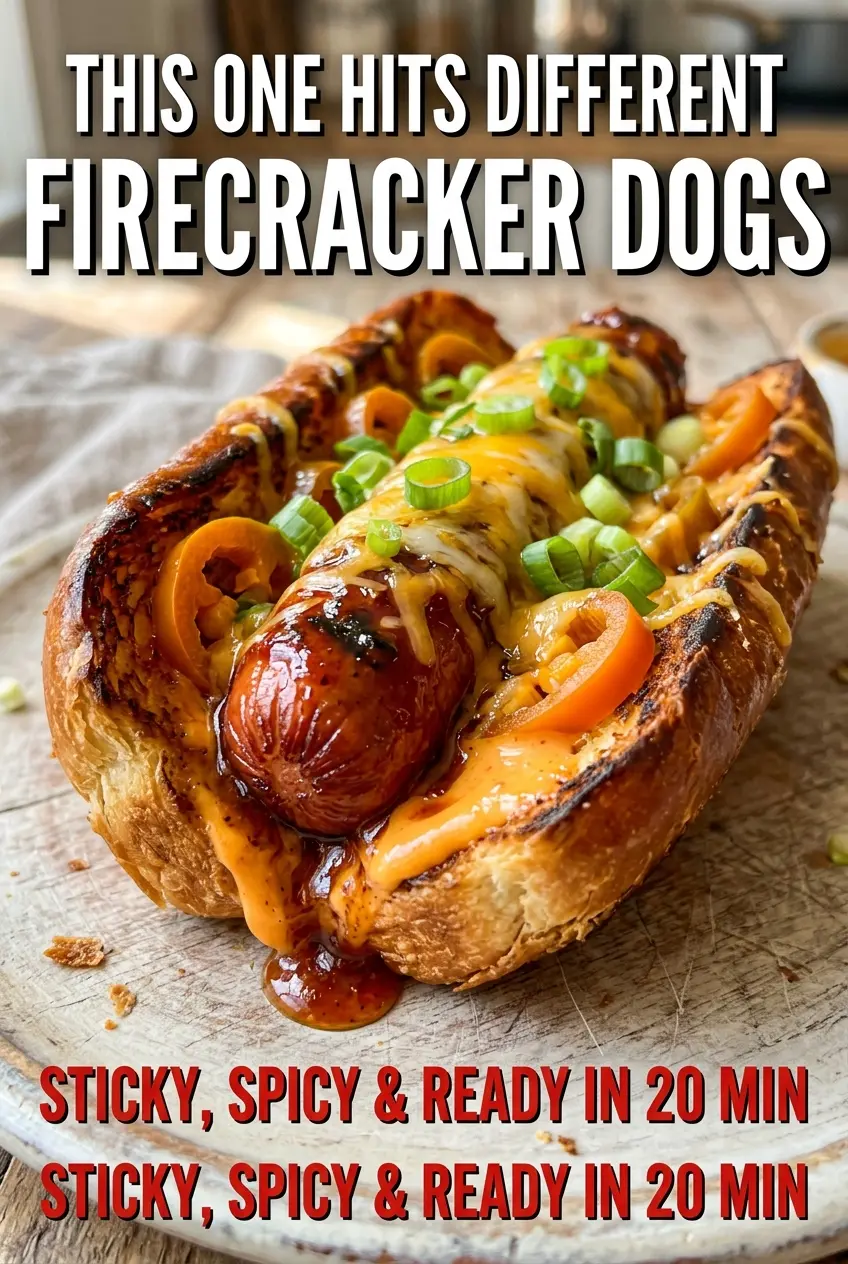
Firecracker Dogs
Ingredients
Equipment
Method
- In a small bowl, whisk together the sriracha, honey, soy sauce, brown sugar, rice vinegar, garlic powder, smoked paprika, and cayenne until smooth, then set the glaze aside.
- Score each hot dog with 4–5 diagonal slits on each side, cutting about ⅓ of the way through to help the glaze soak in and create more caramelized edges.
- Heat a large cast iron skillet over medium-high heat, add the neutral oil, and cook until the oil shimmers.
- Add the hot dogs and cook for 3–4 minutes, turning occasionally, until they start to blister and brown on the outside.
- Pour the glaze over the hot dogs and toss to coat, then continue cooking for 2–3 minutes, turning frequently, until the glaze thickens, bubbles, and caramelizes; watch closely since the honey can burn fast.
- In a small bowl, mix the mayonnaise with 1 tablespoon of sriracha to make the sriracha mayo.
- Toast the hot dog buns in the same skillet for 30–60 seconds until lightly golden.
- Spread sriracha mayo inside each toasted bun.
- Nestle a glazed hot dog inside each bun, then top with shredded cheddar cheese, pickled jalapeño slices, green onions, and sesame seeds.
- Serve immediately while the glaze is still hot and sticky.